The short version
We started Tease Story in November 2026. It explains where words come from, in under a minute, with a cast of drawn characters and an AI narrator. Nobody on our team appears on camera.
What we did, in order:
- Picked a niche with hundreds of topics and a clear reason to watch.
- Designed an original cast and a locked visual style.
- Wrote one script format and a fact-check rule.
- Built a pipeline where the only manual step is recording the voice take.
- Published, then judged each Short at 48 hours.
The first 4 Shorts got 1,446 views in 48 hours on a brand-new channel with no ads. That is a start, not a success story. We will update this post with the 30 and 90-day numbers.
Step 1: pick a niche you can feed for years
Most faceless channels die from running out of ideas, not from bad editing. Before choosing etymology we wanted a topic library of at least 200 episodes. Ours lives in a spreadsheet: the word, the surprising origin, the languages involved, and a status column (ready, verify, contested).
Three tests we used:
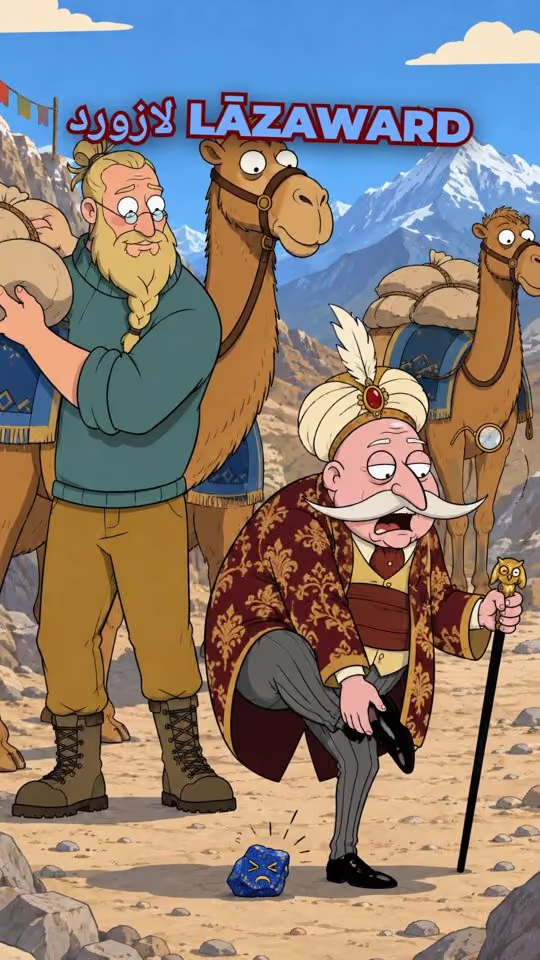
- Every episode has a twist. "Azul comes from a mine in Afghanistan" makes people stay to the end. "Here are some facts about blue" does not.
- It can be checked. Word histories have real sources (Etymonline, Wiktionary, the OED). That matters, because AI tools invent folk etymologies all the time.
- It scales to long-form. A Short about one colour word can grow into an 11-minute episode about all of them, which is where the money is (more on that below).
Step 2: design a cast you own
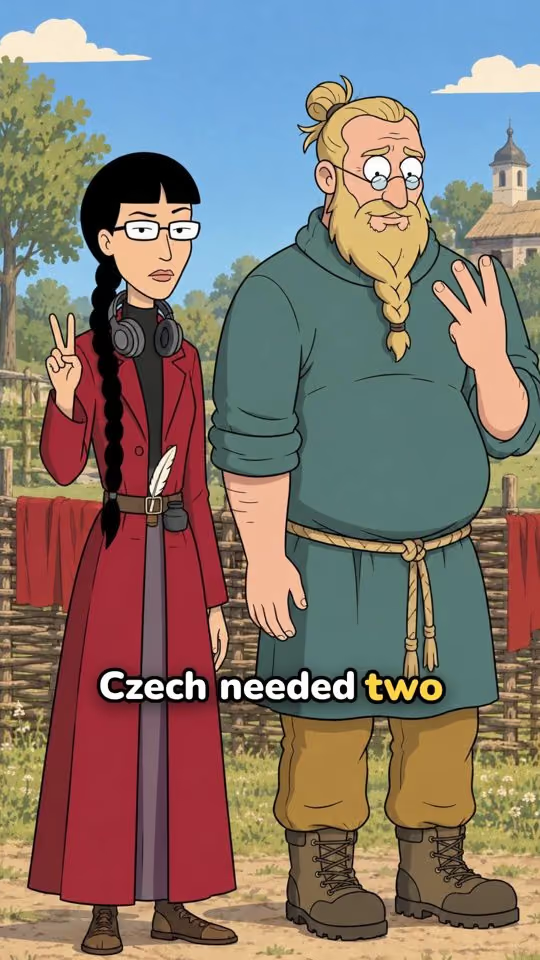
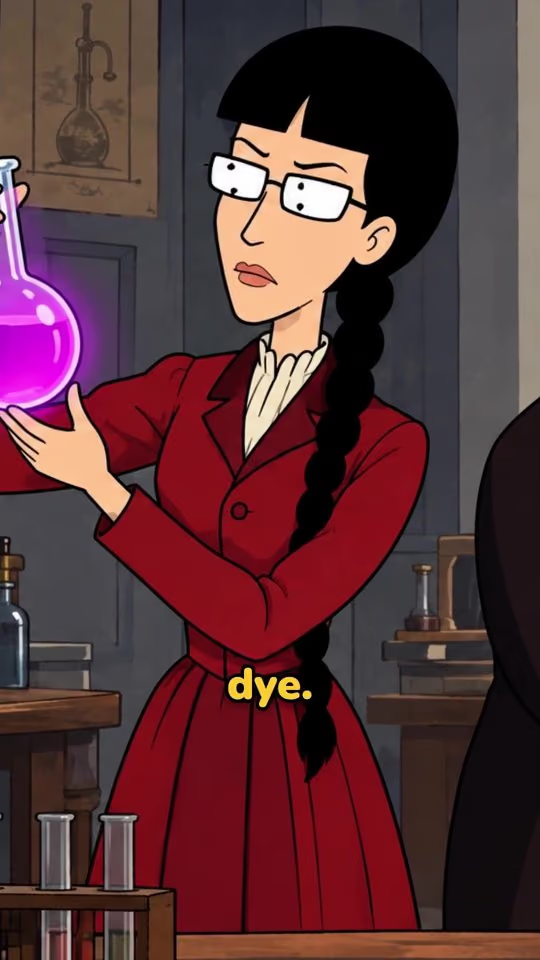
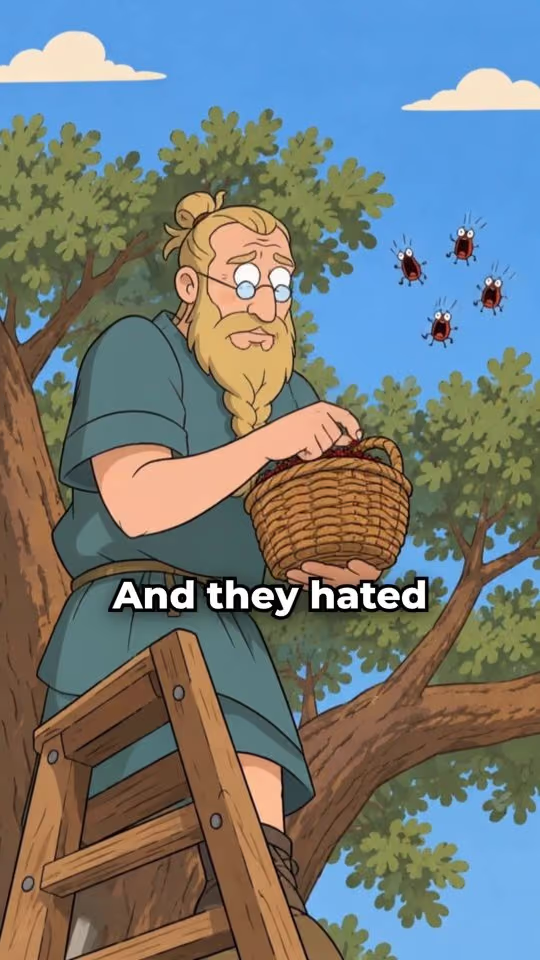
"Faceless" does not have to mean stock footage and a robot voice. We built a recurring crew of time-travelling linguists: Prof. Ida Mologie leads, Theo Saurus always guesses the obvious (wrong) origin, Baron von Mythos spreads folk etymologies and loses. Viewers start recognising characters after a few episodes, which a stock-footage channel never gets.
The rules we wrote down before generating a single frame:
- Original characters only. Copyright protects characters, not a drawing style. Making fan content with a famous show's characters is the fastest way to lose a channel.
- A look lock. One paragraph describing the style, pasted word for word into every image prompt. Plus an appearance lock per character: face, hair, one item they always carry, one accent colour.
- Clothes change with the era, nothing else does. Ida wears a toga in ancient Greece, but the grey bun with two yellow pencils stays.
- No text inside generated images. Every on-screen word is added in the edit, so spelling and accents are always right.
All of this sits in a production bible. It is the most valuable file the channel has, because it lets us switch AI tools without the show changing its face.
Step 3: one script format, two sources per fact
Every Tease Story Short follows the same shape:
- Hook in the first 2 seconds: the strange claim, on screen and in the voice.
- 11 to 14 scenes, one beat each.
- The twist around two thirds in.
- A teaser for the next episode, and a last frame identical to the first, so the Short loops.
Our target length is 55 to 60 seconds. The first episode's voice-over ran 69 seconds, which taught us to cut harder.
The fact rule is simple: every claim needs two sources. If they disagree, we soften the wording or cut the line. A word-history channel that gets one origin wrong loses the comments section, and the comments section is half the point.
Step 4: the production pipeline and what it costs
This is the part most guides wave their hands at. Here is the actual stack for one Short:
| Step | Tool | What it produces |
|---|---|---|
| Research and script | Claude, checked against Etymonline and Wiktionary | Script, scene list, voice-over text |
| Voice | ElevenLabs | The narrator take. The one step a person does by hand |
| Scene stills | GPT Image, run through Figma Weave | About 13 drawn stills per Short, built from the cast references |
| Motion | Kling | 3 short animated clips: the hook, the twist, the biggest gag |
| Music | Lyria 3 in Figma Weave | An original track, so there are no music claims |
| Edit | Remotion | Word-by-word captions, gentle camera moves on stills, 9:16 export |
A typical episode uses about 230 Figma Weave credits. In plain money, the AI cost lands at roughly $1 to $3 per Short, plus tool subscriptions. The real cost is the time to set it up: the bible, the cast sheets and the script format took us longer than the first five episodes combined.
Why mostly stills? They are cheaper and keep the characters on-model. The 3 clips go where motion earns attention.
Step 5: publish, then read the 48-hour numbers
We batch-script 4 to 5 Shorts, record the voice-overs in one sitting and post 3 to 5 Shorts a week. Each Short gets one review at 48 hours: views, percentage viewed, subscribers gained. Then the format gets kept, tweaked or dropped.
Our first numbers, from YouTube Studio on Nov 20, 2026:
| Short | Views |
|---|---|
| Why Spanish "Azul" is really a rock from Afghanistan | 1,302 |
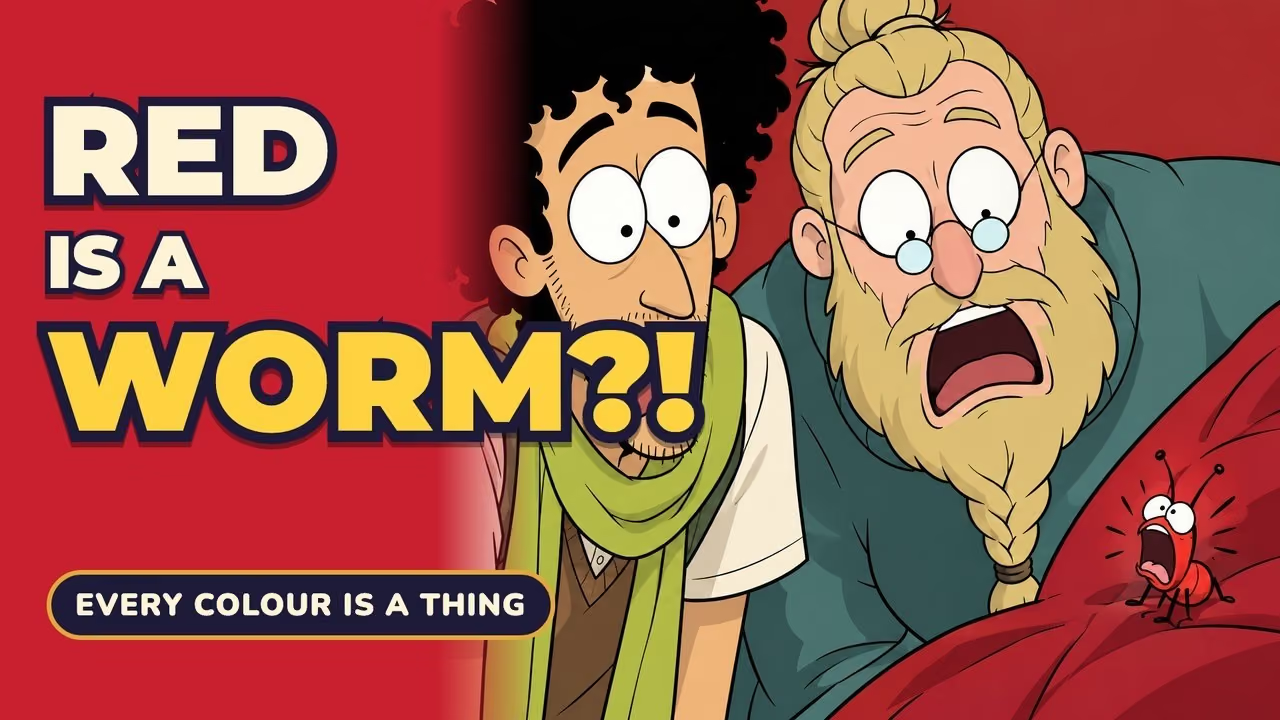
| Why Ukrainian "red" and "June" come from a worm | 1,090 |
| Magenta is named after a battle | 68 |
| Why Portuguese "red" means little worm | 19 |
Same cast, same pipeline, same week, and a 68x spread between the best and the worst. You cannot predict which Short wins. That is why volume matters more than polish on any single episode.
Will a faceless AI channel get monetized?
It can, with conditions. YouTube does not ban AI content. In July 2025 it renamed its "repetitious content" rule to "inauthentic content" and made clear it targets mass-produced, template-identical videos (TechCrunch). It is judged across the whole channel, not video by video.
What we do to stay on the right side of it: recurring characters with personalities, a different story in every episode, real research with sources, and our own voice and music. A channel that swaps one word in the same template 500 times is exactly what the rule is for.
Two more honest points:
- Shorts pay very little. The estimates we planned with were around $0.05 to $0.15 per 1,000 Shorts views. Shorts are the discovery engine; long-form 8 to 12 minute videos are where ad revenue comes from. That is why Tease Story already has an 11-minute episode.
- You need the Partner Program first. Check the current thresholds on YouTube's eligibility page before you plan around ad income.
Mistakes we avoided (and one we made)
- Using famous characters or their style signatures. Tempting, fast, and it gets channels struck.
- Letting the AI pick the facts. It will confidently give you a folk etymology. Two sources, always.
- Generated text in images. It looks fine at a glance and wrong on a phone.
- Robots and mascots as the cast. We tried a robot and a bug mascot early on and retired both. Human characters carry jokes and reactions better.
- The one we made: a first script that was 15% too long. Cut the voice-over before you generate anything, not after.
Doing it yourself vs having it made
If you have a few weeks to build the bible, the cast and the pipeline, everything above is doable alone. The tools are not the hard part. Consistency over months is.
If you are a SaaS or B2B brand and nobody on the team wants to be on camera, we run the same pipeline for you: your cast, your topics, your channel. The first 2 Shorts cost $100 together, then $30 per Short. See faceless YouTube video production.