
How we priced them
Brands rarely publish what a video cost, so each example gets the going 2026 rate for its style, from Vidico's pricing guide and Wyzowl's survey of 242 production companies (median $5,400, via B2W). Views and lengths are from YouTube on Nov 21, 2026.
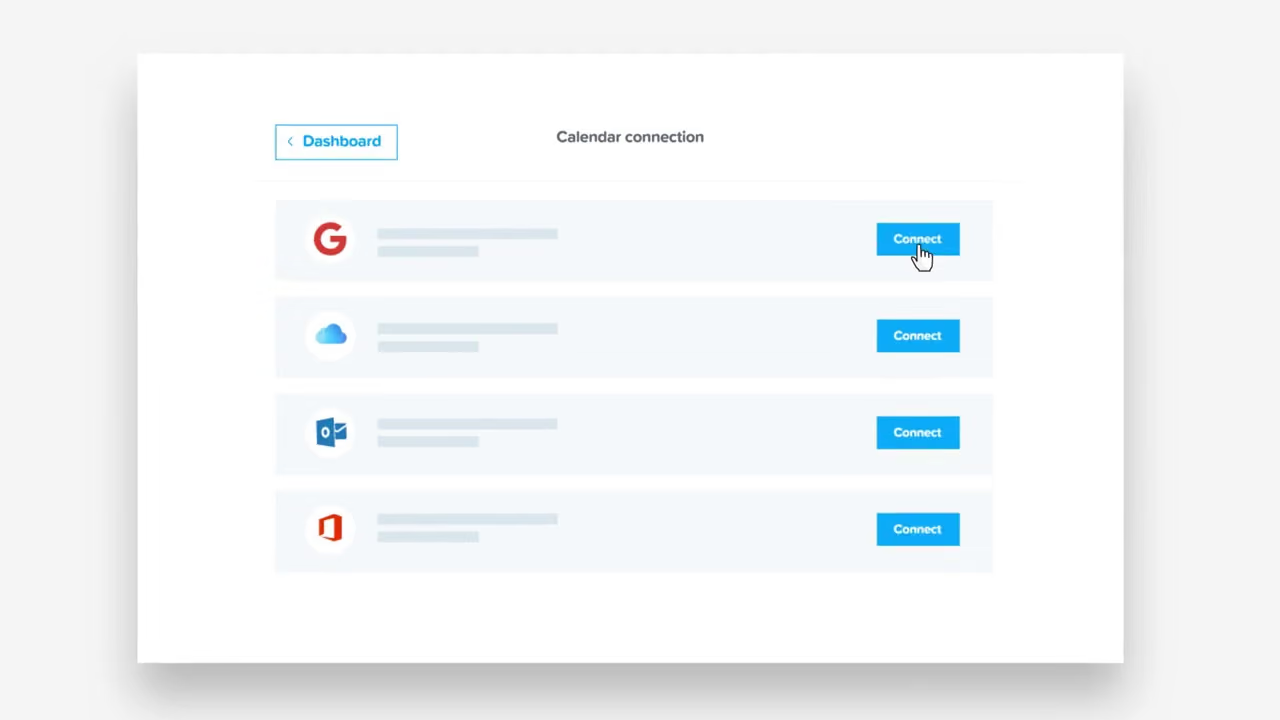
1. Calendly: the problem, acted out in the UI
Video: How to Use Calendly, 1:35, 2020, about 35,000 views.
It opens with a simple line-drawn character and then shows the exact pain: an email thread going back and forth over meeting times, with the proposed slots highlighted. Only after you feel the problem does the Calendly booking page appear.
Why it works: the "before" is shown in an interface everyone already knows, their inbox. No metaphor needed.
Style and typical cost: simple 2D plus animated UI. Expect about $2,500 to $10,000 at a studio for 2D vector work of this length.
 Play video: How to Use Calendly
2. Rippling: 30 seconds of tab overload
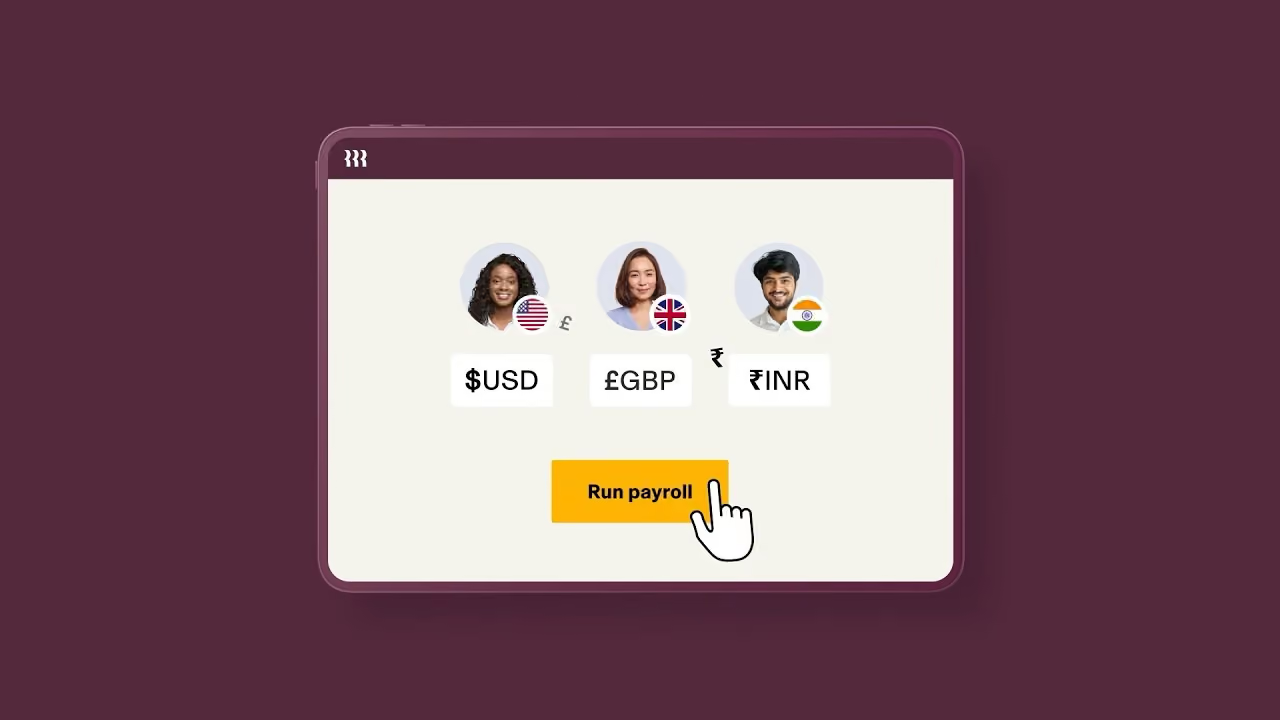
Video: One place to run your HR, IT, & Finance, 0:30, 2023, about 514,000 views.
Browser tabs pile up, notifications pop, then everything collapses into clean, stylised Rippling cards. It never shows a real screen recording. The product is redrawn as simple shapes so it reads in a feed.
Why it works: the chaos-to-calm structure fits in 30 seconds, which is why it can run as an ad.
Style and typical cost: motion graphics with stylised UI. Vidico puts motion graphics at $1,000 to $15,000 per minute; a polished 30-second spot like this sits at the upper end of that range.
 Play video: Rippling: one place to run your HR, IT and Finance
3. Chili Piper: a stat as the hook
Video: Chili Piper | The Demand Conversion Platform, 2:13, 2024, about 18,000 views.
The opening is pure kinetic type over a moving funnel: "Your revenue funnel is broken. Marketing creates MQLs. Sales hates MQLs." Then a claim that over half of MQLs die waiting. The buyer recognises their own Slack argument before the product appears.
Why it works: it speaks to a fight between two teams the buyer sits in every week.
Style and typical cost: kinetic typography plus motion graphics. Vidico's range for kinetic type is $1,500 to $5,000; with the product sections, expect $5,000 to $12,000 at a studio for this length.
 Play video: Chili Piper: The Demand Conversion Platform
4. monday.com: live action meets the product
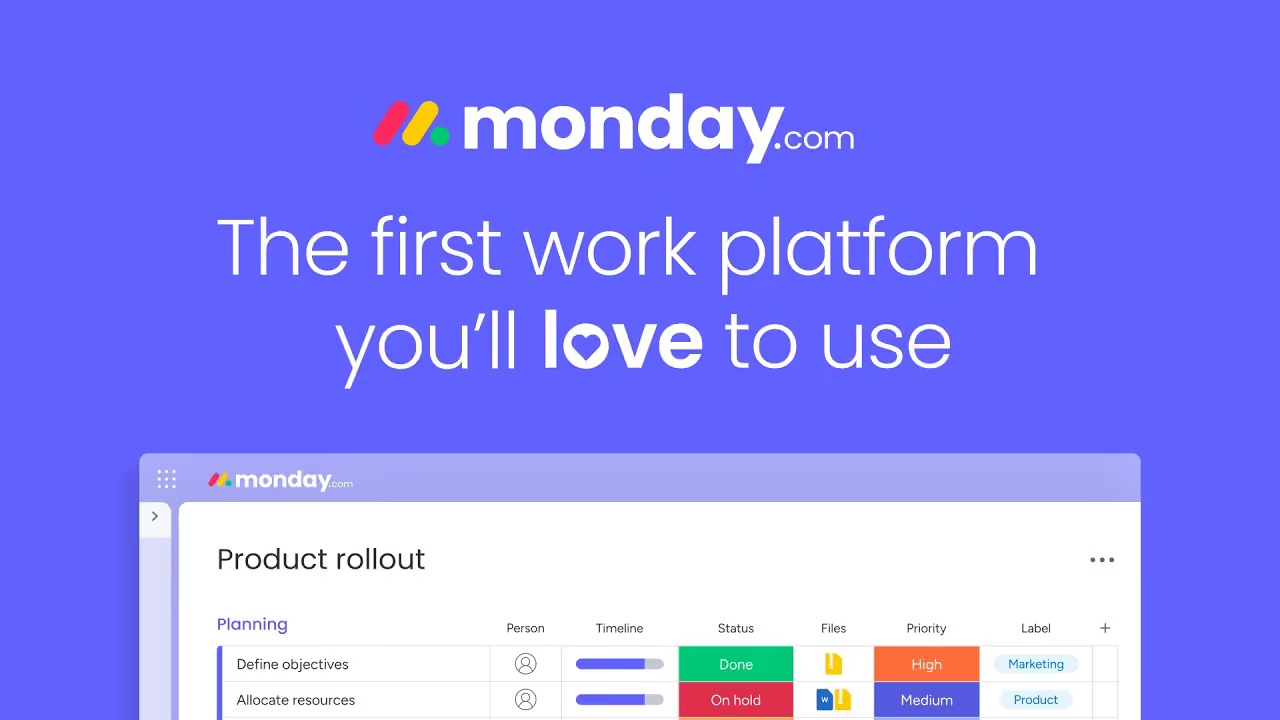
Video: Your team deserves a work platform they will love, 0:37, 2025, about 1.6 million views.
Real desks and real monitors showing the monday.com board, cut with bold type on purple ("You", "Admins") and clean product shots.
Why it works: the live-action desk makes the product feel like something real people use, and the type keeps it fast.
Style and typical cost: mixed media. Live action starts around $5,000 and often passes $20,000 once you add a crew, locations and actors.
 Play video: monday.com work platform
5. Webflow: a sketch, not a demo
Video: If life were like web design, 1:00, 2021, about 7.9 million views.
Live-action comedy: everyday situations behave as badly as old web design tools. The product barely appears. The joke does the explaining.
Why it works: it sells the feeling of the problem to people who have never heard of Webflow, which is what a top-of-funnel explainer is for. The view count suggests it ran as an ad for a long time.
Style and typical cost: scripted live-action comedy. A writer, a director, actors and a shoot day put it at the top of Vidico's $5,000 to $20,000+ live-action range.
 Play video: If life were like web design, Webflow
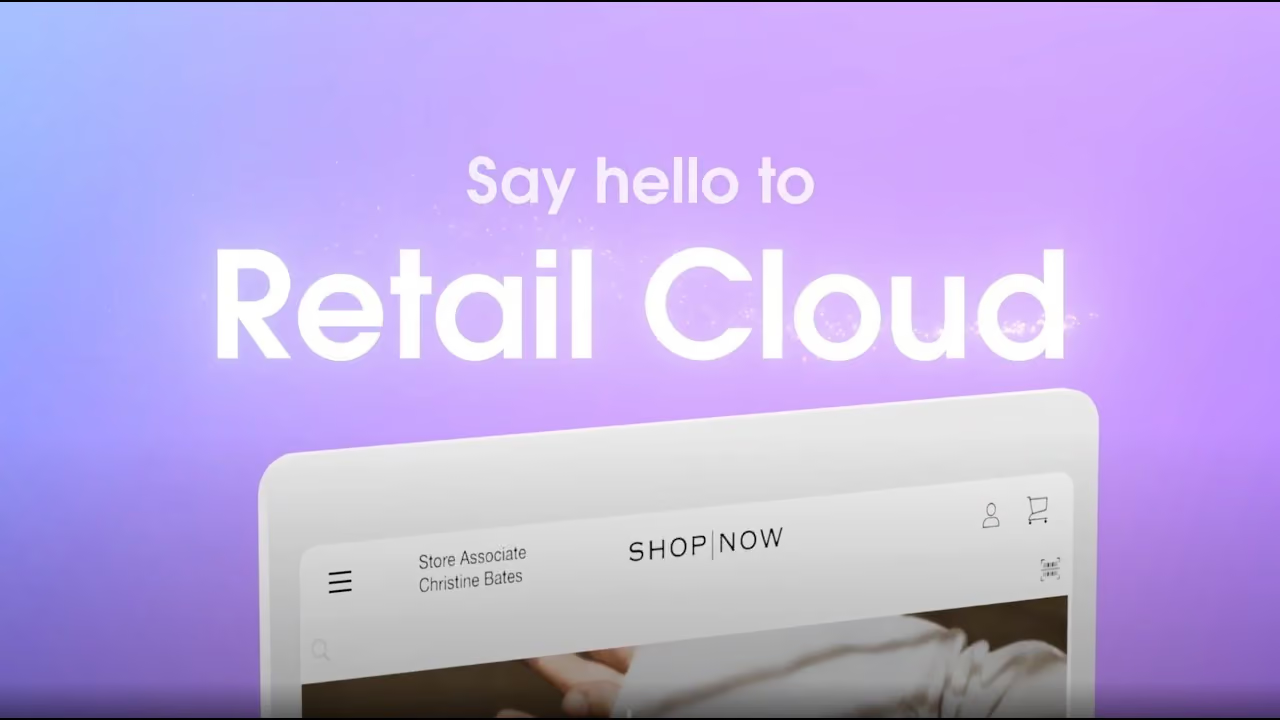
6. Salesforce Retail Cloud: a 3D world
Video: Introducing Retail Cloud with Modern POS, 0:39, 2024.
A 3D phone floats through a purple living room for "online shopping", then into a store for "in store", and coloured 3D tokens spell out Commerce and Service.
Why it works: one object (the phone) travels through both worlds, which is the whole product idea in a single image.
Style and typical cost: 3D animation. Vidico's range is $5,000 to $50,000+ per minute. 3D is the style where AI saves the most, because nothing has to be modelled by hand.
 Play video: Introducing Retail Cloud with Modern POS, Salesforce
7. Deel: an explainer with no actors and no UI
Video: We're Deel. Nice to Meet You, 0:47, 2024.
Paper-cutout type, a globe, a scrolling wall of customer logos ("Over 25,000 companies use us") and one verb per frame: onboard, manage, pay.
Why it works: for a company with strong social proof, the logos are the explainer.
Style and typical cost: kinetic typography. One of the cheapest styles to produce well: $1,500 to $5,000.
 Play video: We're Deel. Nice to Meet You
8. ActivityTimeline: the screen-recorded product overview (ours)
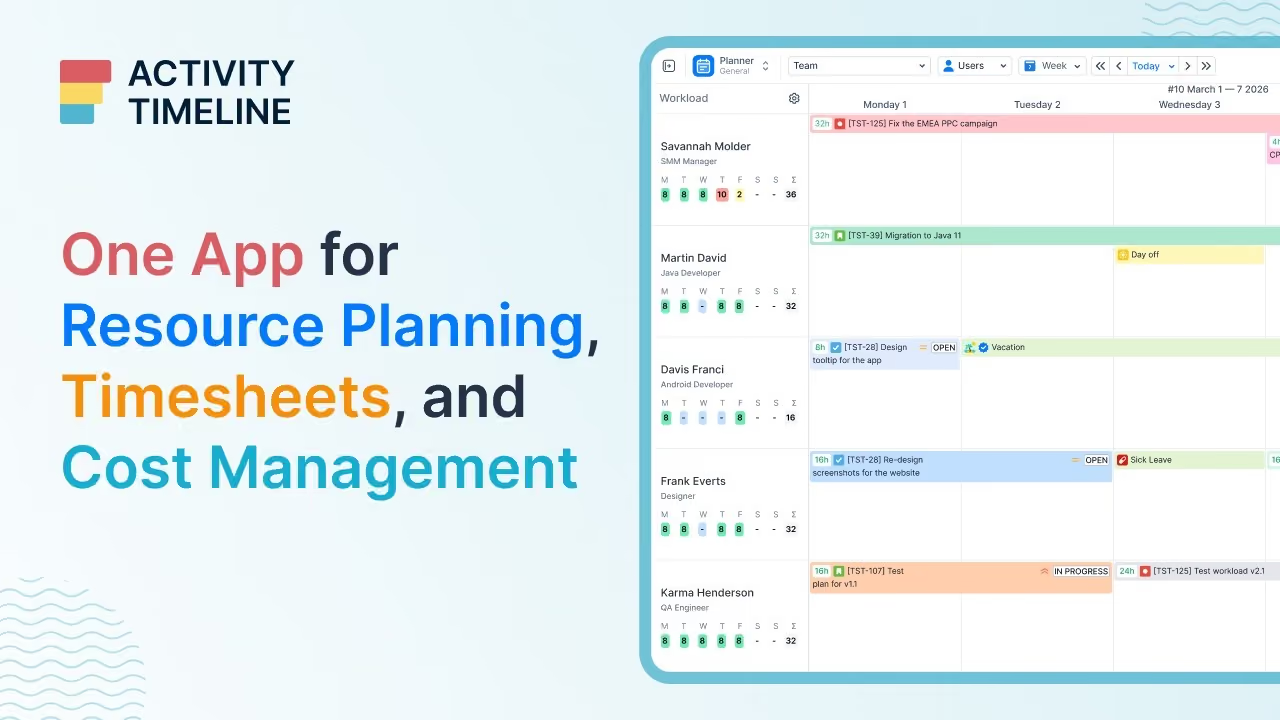
Video: One app for resource planning, timesheets and cost management in Jira, 2:05, 2026. We produced it.
No characters, no metaphor: a clear voice-over walking through the real interface, feature by feature. It sits on a channel we have produced for ActivityTimeline for almost two years, which now has 370K+ views and an average 6.26% click-through rate on the tutorials.
Why it works: people who are already comparing Jira apps want to see the actual product. For them, a metaphor is a delay. More in the ActivityTimeline case study.
Style and typical cost: screen-recorded explainer. Typically under $1,000 to $3,000, depending on length and polish.
 Play video: ActivityTimeline product overview
9. Sitechecker: an AI stop-motion explainer (ours)
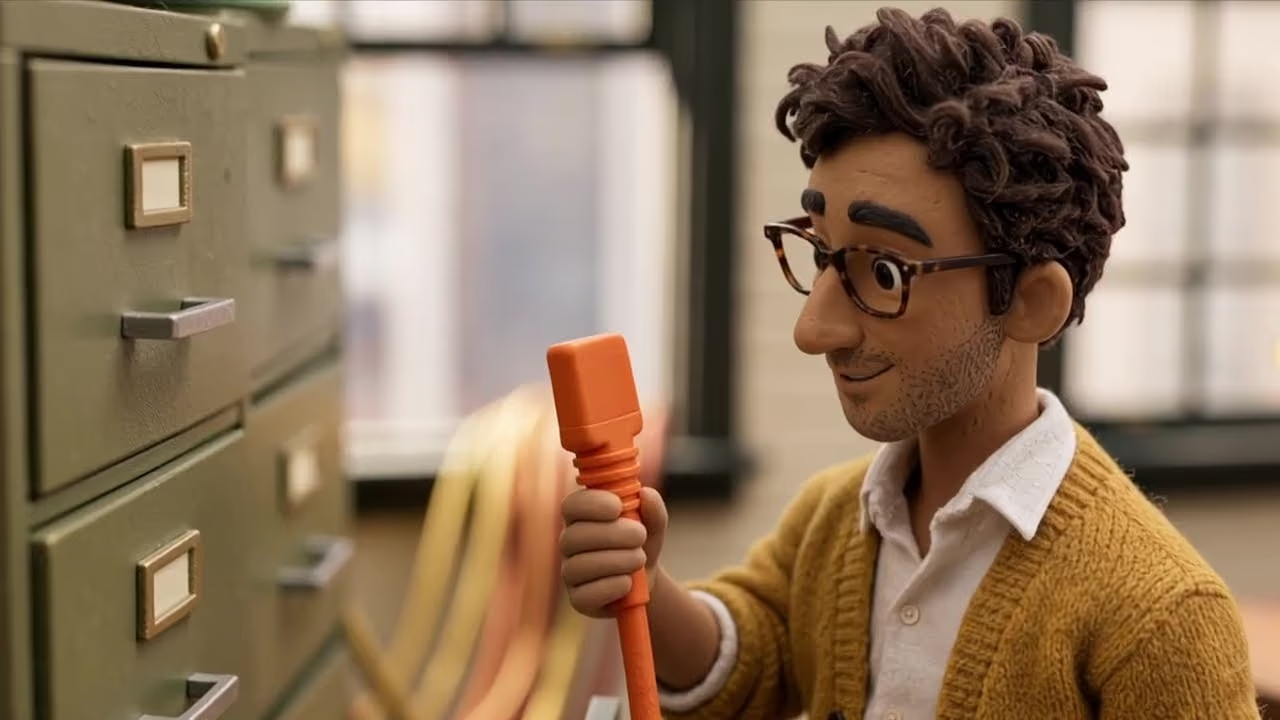
Video: Your SEO MCP Setup Is a Mess of Wires. Here's the Fix, 0:55, 2026. We made it with Kling AI, Nano Banana Pro and ElevenLabs.
A dry feature, an SEO connector, told as a miniature street where cables pour out of an office window, until one plug replaces them all. Four characters, 12 clips, one look throughout.
Why it works: it explains the idea before showing any screen, in a style a feed has not seen a hundred times.
Style and typical cost: AI-generated character animation. A studio-made 2D character piece runs $1,500 to $20,000+. Ours start at $900 for a 30-second ad and $1,490 for a 60-second explainer. The case study shows how it was made.
 Play video: Your SEO MCP Setup Is a Mess of Wires. Here's the Fix
What each style costs
| Style | Example above | Typical cost for 60 s | Best for |
|---|---|---|---|
| Screen recording | ActivityTimeline | Under $1,000 to $3,000 | Buyers comparing tools, onboarding |
| Kinetic typography | Deel, Chili Piper | $1,500 to $5,000 | Social proof, sharp messages |
| Motion graphics | Rippling | $1,000 to $15,000 | Ads, homepage heroes |
| 2D vector or character | Calendly | $2,500 to $20,000+ | Explaining a workflow |
| AI character animation | Sitechecker | From $1,490 (ours) | Abstract products, standing out in feeds |
| 3D animation | Salesforce | $5,000 to $50,000+ | Launches, physical-feeling products |
| Live action or mixed | monday.com, Webflow | $5,000 to $20,000+ | Brand campaigns, comedy |
Studio ranges from Vidico (2026), screen recording from B2W. Script, voice-over and music are sometimes extra: Vidico lists $500 to $1,500 for a script and $1,000 to $5,000 for a professional voice-over.
How to pick a style for your product
- Your buyer is already comparing tools: show the real product. A screen-recorded overview or product demo wins.
- Your product is abstract (data, permissions, integrations): use a metaphor and characters. That is where 2D or AI explainers earn their price.
- The video will run as an ad: keep it under 40 seconds and build it around one before-and-after, like Rippling.
- You have strong logos and numbers: kinetic type, like Deel, is the cheapest good option.
One thing all nine share: the problem shows up before the product does. If your script opens with your logo and a feature list, start there.